
Navigating Dental-Medical Insurance Disputes
Dental Billing, Medical Insurance, Claims Disputes
The Dental‑Medical Coverage Gray Zone: Why Disputes Are Growing
As more dental procedures blur into the realm of medical necessity, billing them to medical insurance has become both an opportunity and a minefield. Practices are seeing more denials, more audits, and more costly disputes—especially around TMJ treatment, sleep apnea appliances, and other high‑risk services. Understanding this gray zone, and documenting care the right way, is now essential to getting paid and staying compliant.
Why Billing Dental Procedures to Medical Insurance Is So Difficult
In theory, billing appropriate dental procedures to medical insurance should expand coverage for patients and stabilize practice revenue. In reality, it often triggers confusion and disputes. Medical payers apply medical necessity standards, expect medical‑style documentation, and scrutinize coding far more aggressively than many dental teams are used to.
Denials frequently hinge on technicalities: outdated CDT codes, mismatched ICD‑10 diagnosis codes, or incomplete narratives. Recent data show that documentation gaps and timing errors are among the most common reasons claims are rejected or underpaid, even when the care itself was appropriate and delivered correctly (GoMedicalBilling, 2026; MedHealthAssistant, 2026).
The Coverage Boundary Problem: Where Dental Ends and Medical Begins
At the heart of many disputes is the coverage boundary problem: is a service “dental,” “medical,” or both? Payers often draw that line differently, and they rarely explain it in plain language. A procedure that one carrier treats as a covered medical service might be classified by another as an excluded dental benefit—even when the clinical situation is nearly identical.
This gray zone is widening as dentistry and medicine become more integrated. The Health Insurance Marketplace, for example, allows dental coverage to be embedded in medical plans or purchased separately (HealthCare.gov). That flexibility is good for patients, but it also means more overlapping rules, more coordination of benefits questions, and more room for carriers to argue that a claim belongs “on the other plan.”
High‑Risk Procedures: TMJ and Sleep Apnea in the Crosshairs
Certain services live almost permanently in this gray area, making them magnets for denials and post‑payment reviews. Two of the most challenging are:
TMJ (temporomandibular joint) treatment: Many plans either exclude TMJ altogether or cover only limited, “conservative” therapies. Others cover physical therapy but not oral appliances, or require exhausting all dental benefits first. Coverage varies widely by insurer and policy (Healthline; DentalPlans.com).
Sleep apnea appliances: Oral appliances prescribed for obstructive sleep apnea are often billed to medical insurance, but carriers disagree on when they are “medically necessary,” what diagnostics are required, and whether the appliance is durable medical equipment or a dental device.
Both categories are high‑risk because they rely on nuanced medical evidence, cross‑specialty collaboration, and very specific policy language. When documentation is thin, or codes don’t line up with a plan’s internal rules, denials are almost guaranteed—and disputes can drag on for months.
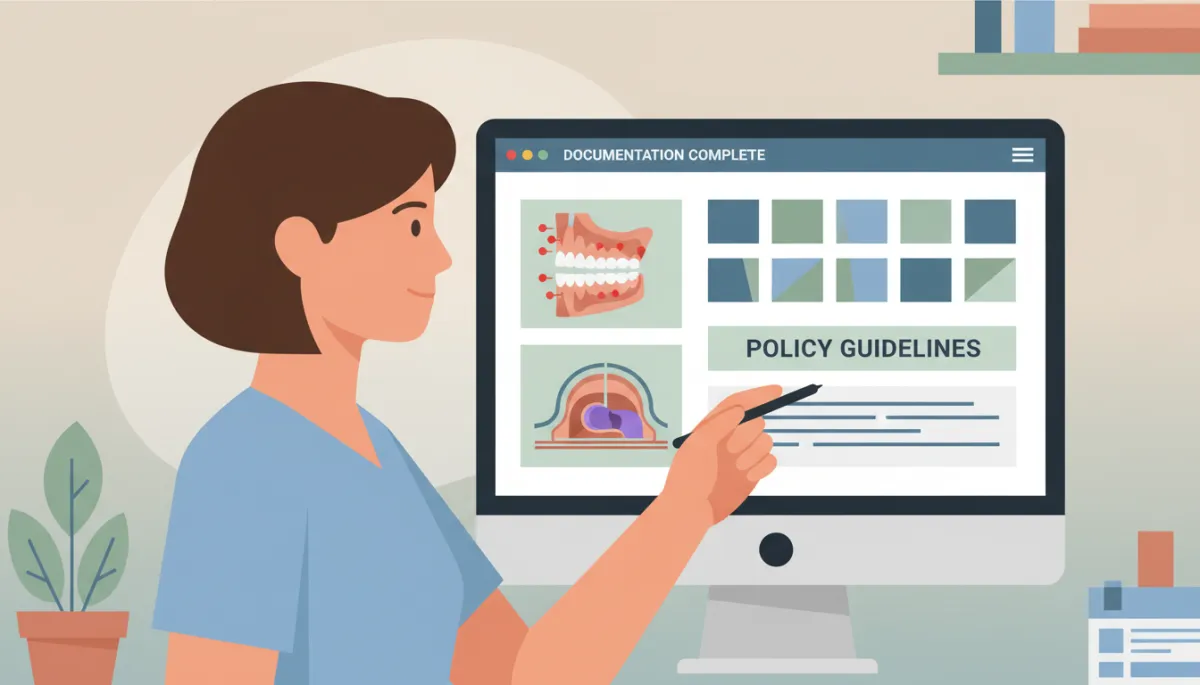
Detailed, diagnosis‑driven notes are often the deciding factor in TMJ and sleep apnea appeals.
Proper Documentation: Your First Line of Defense
As medical‑style scrutiny increases, documentation is no longer just a clinical record—it is a legal and financial shield. Payers expect claims to be “audit‑ready,” with clear narratives tying every billed service to symptoms, diagnoses, and evidence‑based treatment plans (BillingWithIntegrity, 2026).
For dental procedures billed to medical, that means:
Linking findings (pain, function limits, sleep study results) directly to diagnoses and procedure codes.
Including radiographs, sleep studies, and specialist reports when they support medical necessity.
Using current CDT and ICD‑10 codes, and avoiding upcoding or unbundling that can trigger audits (MedHealthAssistant, 2026).
💡 Key Point: Many disputes are lost not because the care was inappropriate, but because the story of why it was necessary was never fully told in the record.
When Insurer Policies Don’t Match—and Why That Matters
No two carriers interpret the dental‑medical boundary in exactly the same way. One payer may cover a TMJ appliance only after failed physical therapy; another may require a specific imaging modality; a third may label the entire category as “experimental.” Even within the same company, employer‑sponsored plans and Marketplace products can apply different rules to identical procedures.
For practices, this patchwork means staff must juggle dozens of manuals, bulletins, and online portals—often updated mid‑year. Missing a subtle change in prior authorization requirements or documentation criteria can turn a clean claim into a denial, or worse, an audit demanding refunds years after services were rendered.
The Hidden Costs of Traditional Defense Methods
When a claim is denied or a post‑payment review hits, most practices still rely on traditional defense tactics: manual chart reviews, back‑and‑forth phone calls, lengthy appeal letters, and sometimes outside consultants or attorneys. These methods can work—but they are slow, expensive, and difficult to scale as disputes grow more frequent.
Every hour spent reconstructing documentation for a TMJ or sleep apnea case is an hour not spent on patient care or proactive revenue cycle management. And because each insurer’s rules differ, teams often reinvent the wheel for every appeal, driving up labor costs and burnout while still accepting unnecessary write‑offs when the process becomes overwhelming.
How Codex’s Knowledge Base Changes the Equation
Codex is built for exactly this gray zone. Instead of treating each dispute as a one‑off crisis, its knowledge base captures and organizes the rules, patterns, and best practices that govern dental‑to‑medical billing—across payers, procedures, and states. That gives practices a strategic advantage on two fronts: resolving current disputes and preventing future ones.
Dispute resolution: Codex surfaces payer‑specific policies, common denial rationales, and proven appeal arguments for high‑risk procedures like TMJ therapy and sleep apnea appliances. Teams can quickly assemble targeted, evidence‑based responses instead of starting from scratch for every case.
Better documentation up front: By translating complex insurer rules into clear documentation checklists and templates, Codex helps clinicians capture the right findings, diagnostics, and narratives before a claim is submitted. That reduces denials tied to missing details and makes any necessary appeals far more persuasive.
As insurers adopt more automation and analytics of their own, practices need equally intelligent tools on their side. Codex’s knowledge base turns scattered policy PDFs, appeal letters, and hard‑won lessons into a living resource that continuously improves how your team codes, documents, and defends dental‑medical claims.
Turning the Gray Zone into a Strategic Advantage
The dental‑medical coverage gray zone is not going away. If anything, it will expand as dentistry becomes more tightly linked to systemic health and as payers continue to tighten standards. Practices that rely solely on traditional, reactive defense methods will face rising write‑offs, mounting administrative costs, and growing compliance risk.
By contrast, teams that invest in structured knowledge—codified policies, clear documentation frameworks, and data‑driven dispute strategies—can turn that same gray zone into a source of stability and growth. With Codex’s knowledge base, you’re not just fighting the next denial; you’re systematically reducing the odds that it happens in the first place, while giving your clinicians and billing staff the clarity they need to do their best work.